How to Detect & Fix Water Pressure Issues in Nampa
Water pressure problems in Nampa can be a frustrating and inconvenient experience for homeowners. Whether you notice weak water flow, inconsistent pressure, or sudden drops when multiple faucets run, understanding the root causes is essential to finding a reliable fix. In this guide, we’ll explore common low pressure causes, how to test your home’s water pressure, and when it’s best to try DIY solutions vs calling a professional plumber. If you’re struggling with water pressure problems in Nampa residents often face, this article will help you take the right steps to restore consistent water flow.
Common Causes of Water Pressure Problems in Nampa
Low water pressure in your home can stem from various issues. Identifying the exact cause is the first step toward fixing the problem. Here are some common low pressure causes homeowners in Nampa encounter:
1. Pressure Regulator Malfunction
A pressure regulator controls the water pressure entering your home. If it wears out or breaks, it can cause fluctuations or sustained low pressure.
2. Main Shut-Off Valve Issues
If the main shut-off valve isn’t fully open or is partially clogged, it can restrict water flow and lower pressure throughout the house.
3. Pipe Leaks or Blockages
Leaks in your plumbing system or blockages from mineral buildup can reduce pressure in certain areas of your home.
4. Demand on the Water System
Multiple appliances or fixtures running simultaneously can drop water pressure temporarily, especially during peak usage.
Knowing these causes can help you determine the best approach to solving your water pressure problems in Nampa homeowners frequently experience.
How to Test Your Water Pressure at Home
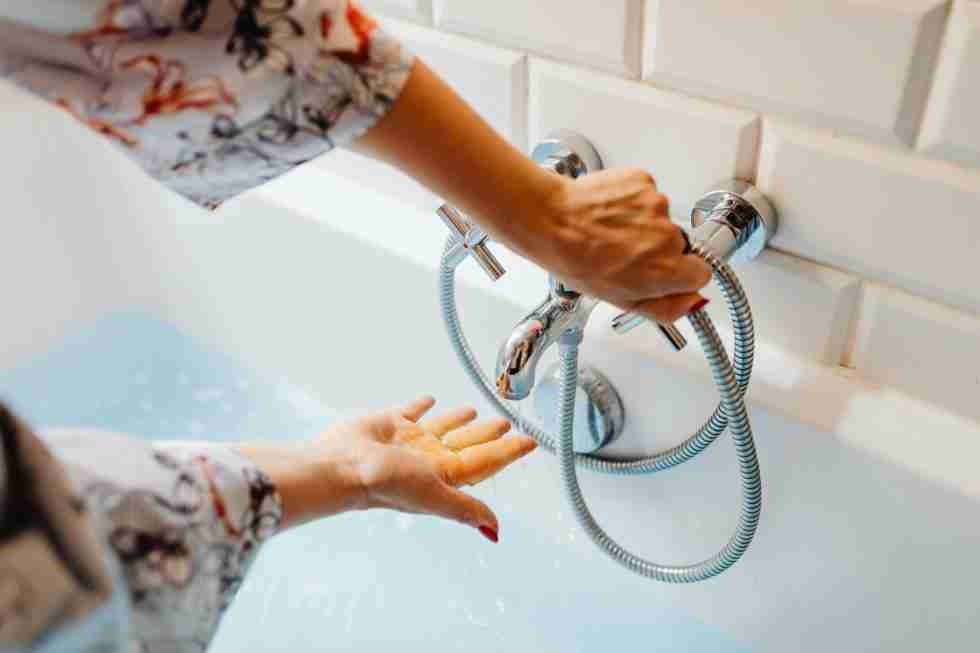
Before calling a plumber, testing your water pressure can provide valuable information about your plumbing system’s health. Here’s how you can check it yourself:
Steps to Test Water Pressure:
- Purchase a water pressure gauge from a hardware store.
- Attach the gauge to an outdoor hose bib or washing machine faucet.
- Turn the water on fully and note the reading on the gauge.
Ideal home water pressure typically ranges between 40 and 60 psi (pounds per square inch). Readings below 40 psi indicate low pressure, while consistently above 80 psi can damage your plumbing.
DIY Solutions vs Plumber: When to Fix It Yourself and When to Call a Pro
Some water pressure problems can be resolved with simple DIY solutions, while others require professional expertise. Here are a few things you can try:
- Ensure the main shut-off valve is fully open.
- Clean faucet aerators and showerheads to remove mineral deposits.
- Check for visible leaks and tighten loose connections.
When to Call a Plumber
While DIY fixes can help, some issues require a professional. Call a plumber if:
- Your pressure regulator needs inspection or replacement.
- You experience persistent low pressure despite trying basic fixes.
- There are complex plumbing repairs or suspected pipe damage.
While DIY attempts can save money, improper handling may worsen problems. For safety and long-term results, it’s often best to consult a professional plumber for complex issues.
The Role of the Pressure Regulator in Maintaining Proper Water Pressure
The pressure regulator is a critical device installed near your water meter. It ensures the pressure entering your home stays within safe limits, protecting pipes and fixtures from damage. If you notice inconsistent pressure or sudden drops, a faulty pressure regulator might be the culprit.
Signs Your Pressure Regulator May Be Failing:
- Fluctuating water pressure throughout the day.
- Water hammer noises when faucets are turned off.
- Visible leaks near the regulator.
Replacing or repairing a pressure regulator requires plumbing knowledge and tools, so hiring a licensed plumber is the safest approach.
Preventative Tips to Avoid Water Pressure Problems in Nampa
Maintaining your plumbing system can prevent water pressure problems from developing or worsening. Here are some steps you can take:
- Schedule regular plumbing inspections with a professional.
- Monitor water pressure seasonally, as temperature changes can affect pipes.
- Address leaks promptly to avoid pressure loss and water waste.
- Install water softeners if you have hard water to reduce mineral buildup.
Taking these steps helps ensure your home’s water pressure remains steady year-round.
Conclusion
FAQs
What are common causes of low water pressure in Nampa homes?
How can I test my home’s water pressure?
Can I fix water pressure problems myself or should I call a plumber?
What does a pressure regulator do and why is it important?
How often should I have my plumbing inspected to prevent pressure problems?
Get Started Today
Take action now and start improving your home’s plumbing—get started today for better results!
Serving Quail Ridge & Surrounding Areas
Explore More Services
- Home Page
- Contact Us
- Residential Fixture Installation, Repair & Replacement in Boise, ID
- Residential Fixture Installation, Repair & Replacement in Hidden Springs, ID
- Residential Fixture Installation, Repair & Replacement in Northwest Boise City, ID
- Residential Fixture Installation, Repair & Replacement in Collister, ID
- Residential Fixture Installation, Repair & Replacement in Quail Ridge, ID