Burst Pipe Boise What To Do: Idaho Homeowners Step-by-Step
A burst pipe during winter can quickly turn into a stressful situation for Idaho homeowners. Water can spread fast, damage flooring and walls, and create problems that become harder to manage if action is delayed. When a pipe bursts, the first priority is to stop the water, protect the home, and reduce further damage. Acting quickly also helps make cleanup easier and prevents repair work from becoming more extensive. This guide explains what to do after a burst pipe, how to identify whether the problem is a frozen pipe or a plumbing break, and practical ways to reduce the risk of frozen pipes during winter.
First Steps After a Burst Pipe
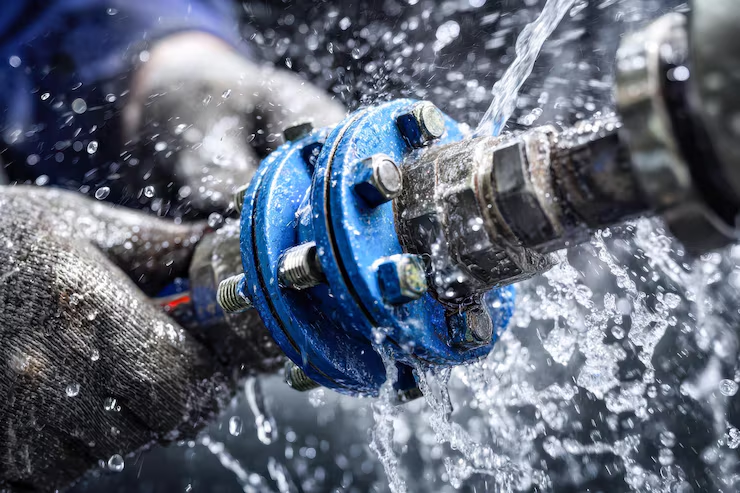
If a pipe is actively leaking or spraying water, shut off the main water supply immediately. In many Idaho homes, the main shutoff valve is often located in the basement, crawl space, garage utility area, or near the water heater. Turning the valve clockwise usually stops the flow of water. If water has reached outlets, appliances, or the electrical panel, electrical safety becomes important. If it is safe to access the breaker panel without standing in water, switch off power to the affected area. If not, keep away from the wet area until help arrives. After the water is off, focus on limiting damage. Move rugs, towels, furniture, and valuables away from wet areas. Place buckets under any drips. If you notice a ceiling bulging with trapped water, avoid puncturing it unless you are sure it is safe to do so.
How to Identify the Source of the Problem
A burst pipe often causes visible leaking, pooling water, spreading stains on walls or ceilings, or a sudden drop in water pressure throughout the home. In some cases, the break may be hidden behind walls, inside crawl spaces, or near exterior plumbing lines. Frozen pipes often show warning signs before they burst. You may notice little or no water coming from a faucet, frost on exposed pipes, or unusual smells from drains when a line is blocked by ice. During Idaho winters, pipes in garages, crawl spaces, exterior walls, and hose bibs are especially vulnerable because they are more exposed to cold air. Homes with inconsistent indoor heating, vacant rooms, or poor insulation are more likely to experience freezing problems.
What to Do After the Water Is Off
Once the leak has been controlled, document the damage before beginning cleanup. Take clear photos of the leak source, wet materials, damaged walls, and affected belongings. This can help if you need to speak with your insurance provider later. Drying should begin as soon as possible. Remove standing water with towels, mops, or a wet vacuum if available. Open windows if weather allows and use fans or dehumidifiers to improve airflow. Wet materials left in place for too long can create larger restoration problems. Keep indoor temperatures steady while the home dries. A stable temperature helps prevent additional freezing elsewhere in the plumbing system. Avoid directing very high heat at one suspected frozen section, as sudden temperature changes can make the pipe more likely to crack.
If Pipes Are Frozen but Not Burst
If you suspect a pipe is frozen but do not see visible leaking, keep the main water supply turned off for now. Open the affected faucet to relieve pressure in the line. Use gentle heat to thaw the pipe slowly. A hair dryer on low heat, warm towels, or a heating pad can help. Begin near the faucet and work gradually toward the colder section. This allows melting water to escape safely. If the frozen pipe is inside a wall, tight crawl space, or close to electrical wiring, avoid opening walls or attempting major DIY work unless you are certain it is safe. Hidden frozen pipes are common in older Boise homes, especially where insulation has been added later or crawl spaces have inconsistent protection. If you return home after being away and notice no water pressure, do not immediately turn the water back on. Walk through the house first and check ceilings, carpets, cabinets, water heater areas, and under sinks for signs of leaking or moisture.
What Idaho Homeowners Can Expect After a Burst Pipe
Every burst pipe situation is different. Small, visible leaks under sinks may be repaired quickly. A break inside a wall usually requires drywall access, drying, and patching. Burst pipes in crawl spaces often involve wet insulation, difficult access, and longer drying times. When water spreads across several rooms, damage can extend to flooring, drywall, cabinets, ceilings, and structural materials. The sooner drying begins, the better the chances of limiting long-term damage. Quick action usually makes the repair process simpler. Delayed drying can lead to moisture remaining behind walls, under flooring, or inside insulation, which increases the scope of restoration.
Pipe Freezing Prevention for Boise Winters
The best way to prevent frozen pipes is to keep vulnerable plumbing above freezing. Maintain steady indoor heat throughout winter, especially overnight and during cold snaps. Pay close attention to garages, crawl spaces, exterior walls, and rooms that are not used regularly. During very cold weather, opening cabinet doors below sinks on exterior walls can allow warmer indoor air to reach pipes. Sealing air leaks around windows, doors, and foundation gaps also helps reduce cold air exposure. Dripping faucets can be useful during severe cold. A slow, pencil-thin stream of water can help keep water moving through vulnerable lines. This is most useful at fixtures located on exterior walls or far from where water enters the home. However, dripping is only a temporary measure and should not replace insulation and air sealing. Heat tape can also help protect exposed pipes when installed correctly. It should be inspected before winter and used according to manufacturer instructions.
Smart Winter Protection
Many homeowners are now adding leak detection sensors and automatic shutoff systems. These devices can detect unexpected water flow and help reduce damage by alerting homeowners early or stopping water automatically. Good places for sensors include under sinks, near water heaters, washing machines, sump systems, and in basements or crawl spaces. While technology adds protection, it works best when combined with regular inspections, steady heating, and proper insulation.
Common Mistakes to Avoid
One of the most common mistakes is waiting too long to shut off the water. Even a short delay can allow water to spread into flooring, drywall, and insulation. Another mistake is assuming a frozen pipe will thaw safely on its own. Pressure can build inside the line and cause the pipe to crack once water begins flowing again. Homeowners also sometimes focus only on the visible leak and overlook hidden moisture inside walls, ceilings, or crawl spaces. Drying visible surfaces alone may not be enough if water has moved deeper into building materials. Turning off heat completely when leaving home during winter is another risk. Even if outdoor temperatures seem moderate, overnight cold can still freeze pipes in unheated spaces.
Insurance and Winter Plumbing in 2026
Insurance providers continue to pay close attention to water damage claims. Homeowners should keep photos, notes, and receipts related to emergency cleanup and repairs. Clear documentation of what happened, when the water was shut off, and what steps were taken to reduce damage can help make conversations with insurers easier. Winter weather patterns also remain unpredictable. Boise homeowners often experience late-season cold snaps after warmer periods. Pipes that handled midwinter temperatures can still freeze later in the season if heating is reduced too early.
When to Call a Professional
A simple visible leak may be manageable at first with shutoff and containment. However, professional help is usually the better option when the break is inside a wall, near electrical systems, in a crawl space, or when the source of the leak cannot be identified quickly. In these situations, scheduling a professional plumbing service visit can help prevent further damage and ensure the problem is handled safely. A plumber can confirm where the line failed, repair the damaged section, test the system safely, and help identify other parts of the home that may be at risk during the rest of winter.
Conclusion
A burst pipe in winter can feel overwhelming, but a clear response makes a major difference. Shut off the water quickly, protect people and property, document the damage, and begin drying as soon as possible. Big Dawg Plumbing can help inspect the issue, repair the damaged pipe, and prevent further water damage. Just as important, use the event as an opportunity to prepare for the rest of the season. Knowing where shutoff valves are located, keeping vulnerable areas warm, and improving pipe protection can help prevent the next winter plumbing emergency.
Frequently Asked Questions (FAQs)
1. What should I do first if a pipe bursts in my Boise home?
Shut off the main water supply immediately to stop more water from entering the home. After that, move valuables away from wet areas and check if water has reached electrical outlets or appliances.
2. How can I tell if a pipe is frozen or already burst?
Frozen pipes often cause little or no water flow, frost on exposed pipes, or unusual drain smells. A burst pipe usually causes visible leaking, pooling water, stains on walls or ceilings, or a sudden drop in water pressure.
3. How should I thaw a frozen pipe safely?
Open the affected faucet first to relieve pressure. Then apply gentle heat using a hair dryer on low, warm towels, or a heating pad. Start near the faucet and work slowly toward the colder section.
4. How quickly should I start drying after a burst pipe?
Drying should begin as soon as possible. Standing water can soak into flooring, drywall, insulation, and cabinets. Quick drying helps reduce the chance of larger restoration work later.
5. Which areas of Idaho homes are most likely to have frozen pipes?
Pipes in garages, crawl spaces, exterior walls, basements, and outdoor hose bibs are usually the most vulnerable because they are more exposed to cold air during winter.
6. When should I call a professional plumber for a burst pipe?
Professional help is recommended when the pipe is inside a wall, near electrical systems, in a crawl space, or when the source of the leak cannot be identified quickly.
Get Started Today
Don’t let a clogged drain disrupt your peace of mind! Contact Big Dawg Plumbing today for reliable Residential Drain Cleaning services in Quartzburg, ID.
Serving Quartzburg & Surrounding Areas
Explore More Services
- Home Page
- Contact Us
- Residential Fixture Installation, Repair & Replacement in Boise, ID
- Residential Fixture Installation, Repair & Replacement in Collister, ID
- Residential Fixture Installation, Repair & Replacement in Eagle, ID
- Residential Fixture Installation, Repair & Replacement in West Valley, ID
- Residential Fixture Installation, Repair & Replacement in Sunset, ID